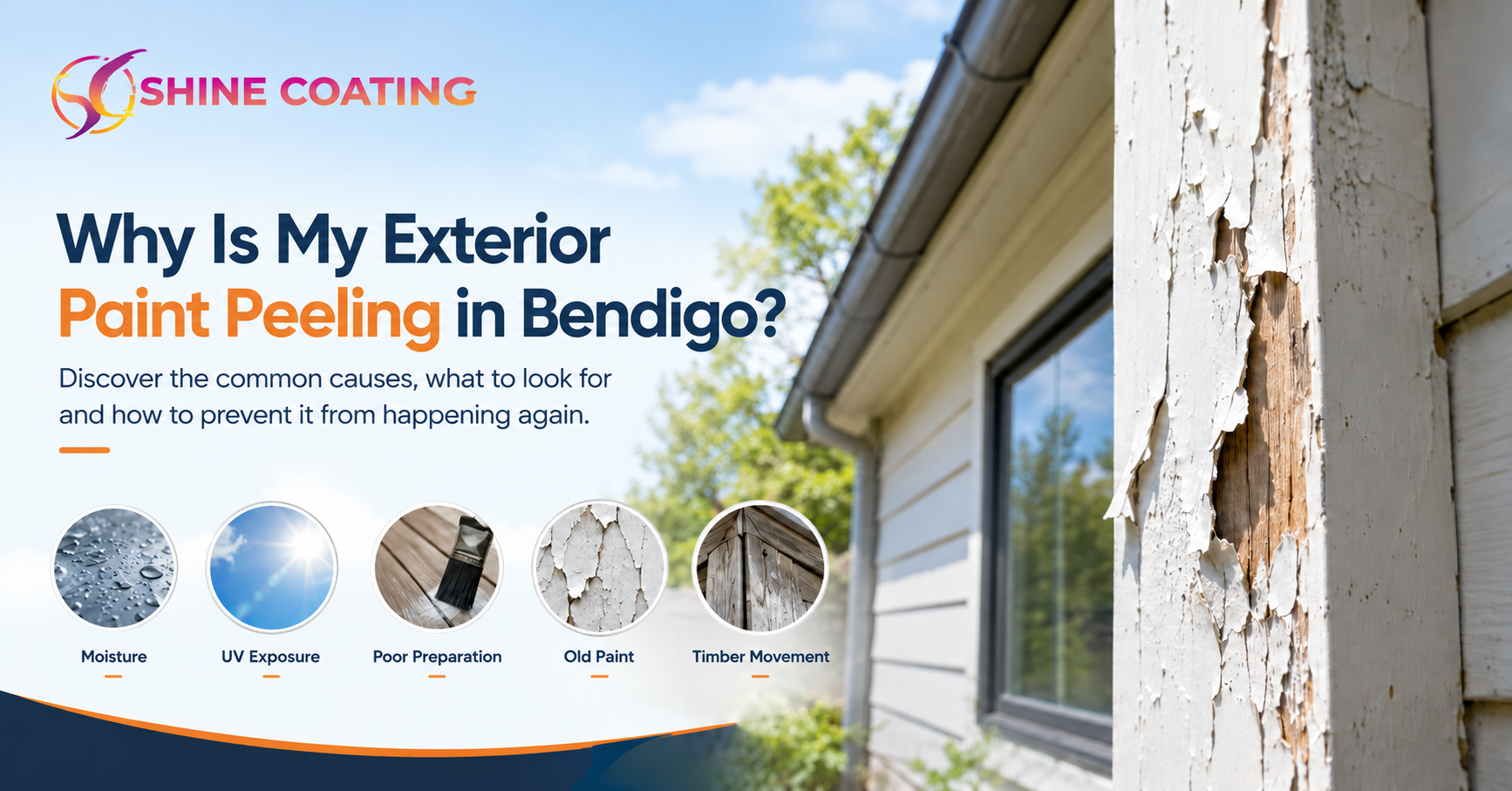
Why Is My Exterior Paint Peeling in Bendigo?
If exterior paint on your Bendigo home is peeling, flaking or bubbling, simply applying another coat usually will not solve the problem.
Exterior paint normally starts peeling when the coating loses its bond with the surface underneath. Common contributing factors include moisture, strong UV exposure, poor surface preparation, ageing coatings, unsuitable paint systems and movement in timber surfaces.
Bendigo homes can experience significant seasonal changes, from hot, sunny summer conditions to much cooler winter weather. These conditions can place ongoing stress on exterior paintwork, particularly on exposed weatherboards, fascias, window frames and walls.
The important question is therefore not only “How do I repaint it?” but “Why did the paint fail in the first place?” Identifying the cause before repainting can help prevent the same problem from returning.
Homeowners dealing with widespread deterioration may also benefit from professional exterior painting services in Bendigo before deciding whether a small repair or complete repaint is required.
Quick Answer: Why Does Exterior Paint Peel in Bendigo?
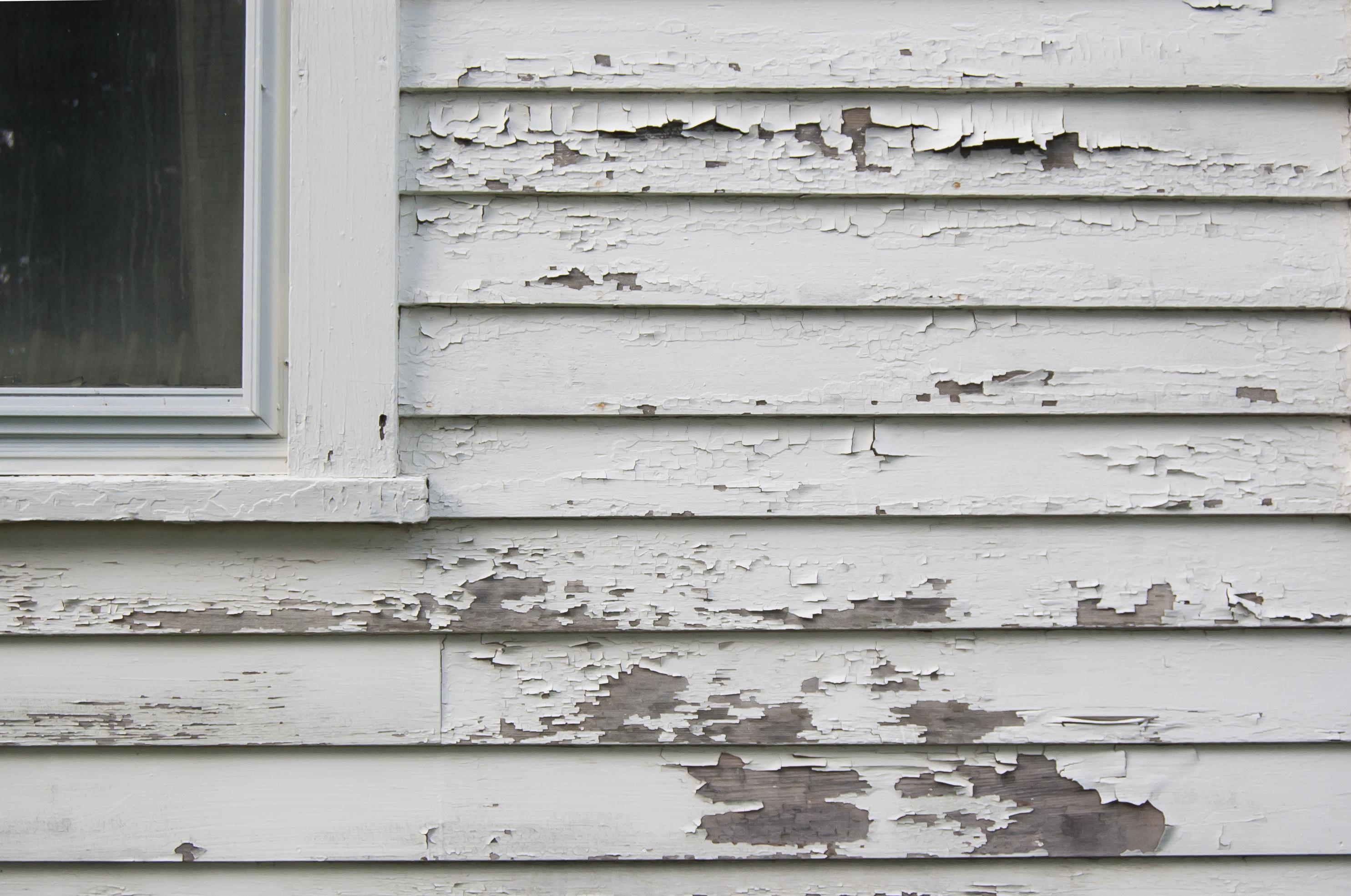
Exterior paint peels when it can no longer adhere properly to the surface beneath it. Common causes include:
- Moisture getting behind the paint
- Strong sunlight and UV exposure
- Inadequate preparation before painting
- Old or deteriorating paint
- Timber expanding and contracting
- Incorrect primer or paint products
- Painting during unsuitable weather
- Mould, dirt or contaminants beneath the coating
If only one small area is affected, the issue may be localised. If paint is peeling across several walls or repeatedly failing in the same area, there may be an underlying problem that should be identified before repainting.
7 Common Causes of Exterior Paint Peeling in Bendigo Homes
1. Moisture Getting Behind the Paint
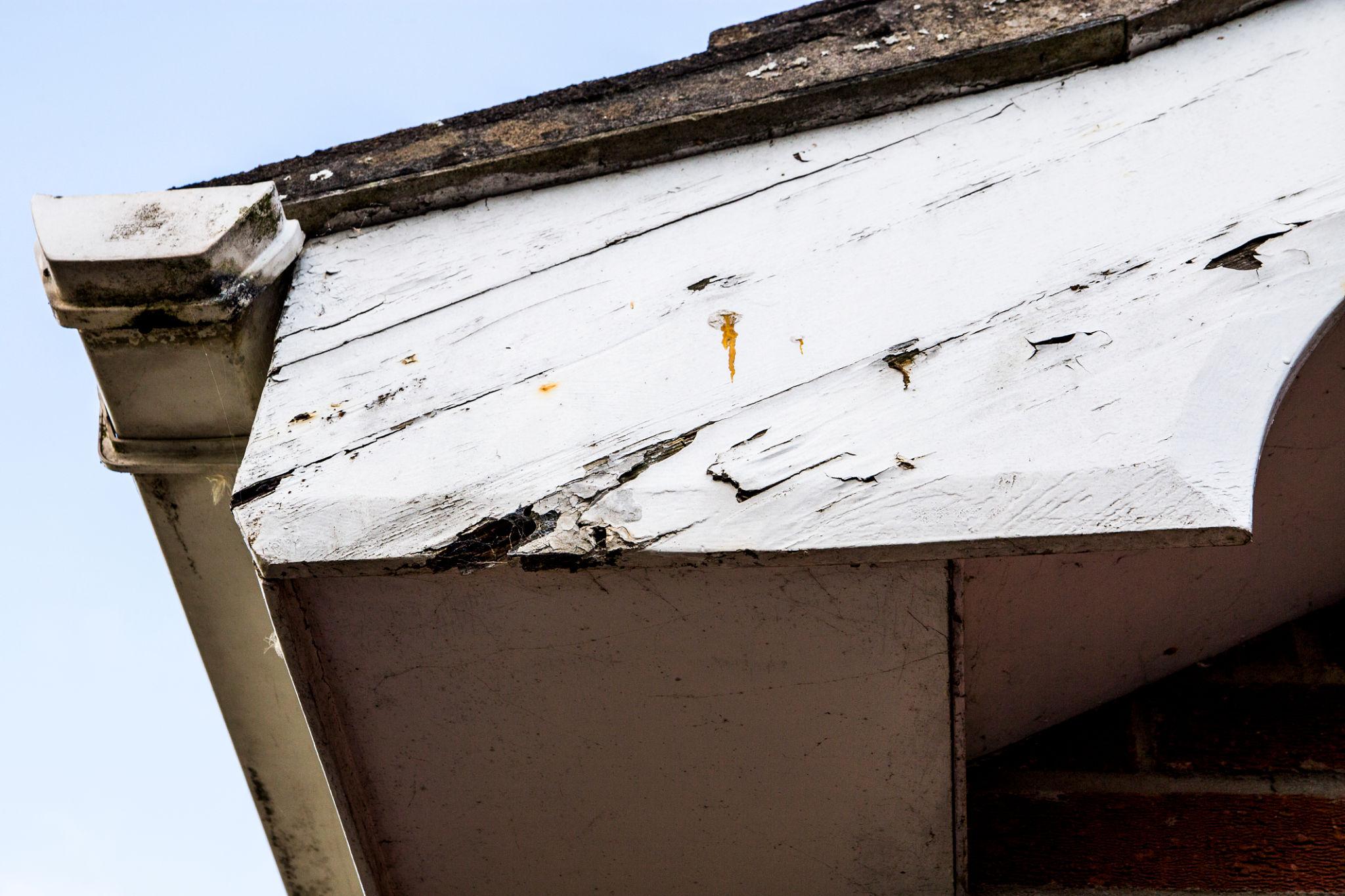
Moisture is one of the first things worth investigating when exterior paint starts lifting. Water can enter around:
- Damaged or overflowing gutters
- Window and door frames
- Cracks in rendered surfaces
- Unsealed timber joints
- Fascias and roofline areas
- Exterior penetrations
- Areas with poor drainage
Once moisture gets behind a painted surface, it can weaken adhesion and eventually lead to bubbling, blistering or peeling.
2. Strong Sun and UV Exposure
Bendigo receives plenty of strong sunlight, and highly exposed exterior surfaces can deteriorate faster than sheltered areas. UV exposure gradually breaks down exterior coatings, which can contribute to:
- Fading
- Chalking
- Loss of gloss
- Brittleness
- Cracking
- Reduced coating performance
North- and west-facing sections of a property often receive stronger sun exposure, so you may notice that paint deterioration is not equal on every side of the house. If one wall looks significantly more faded or weathered than another, exposure may be contributing to the difference.
3. Poor Surface Preparation
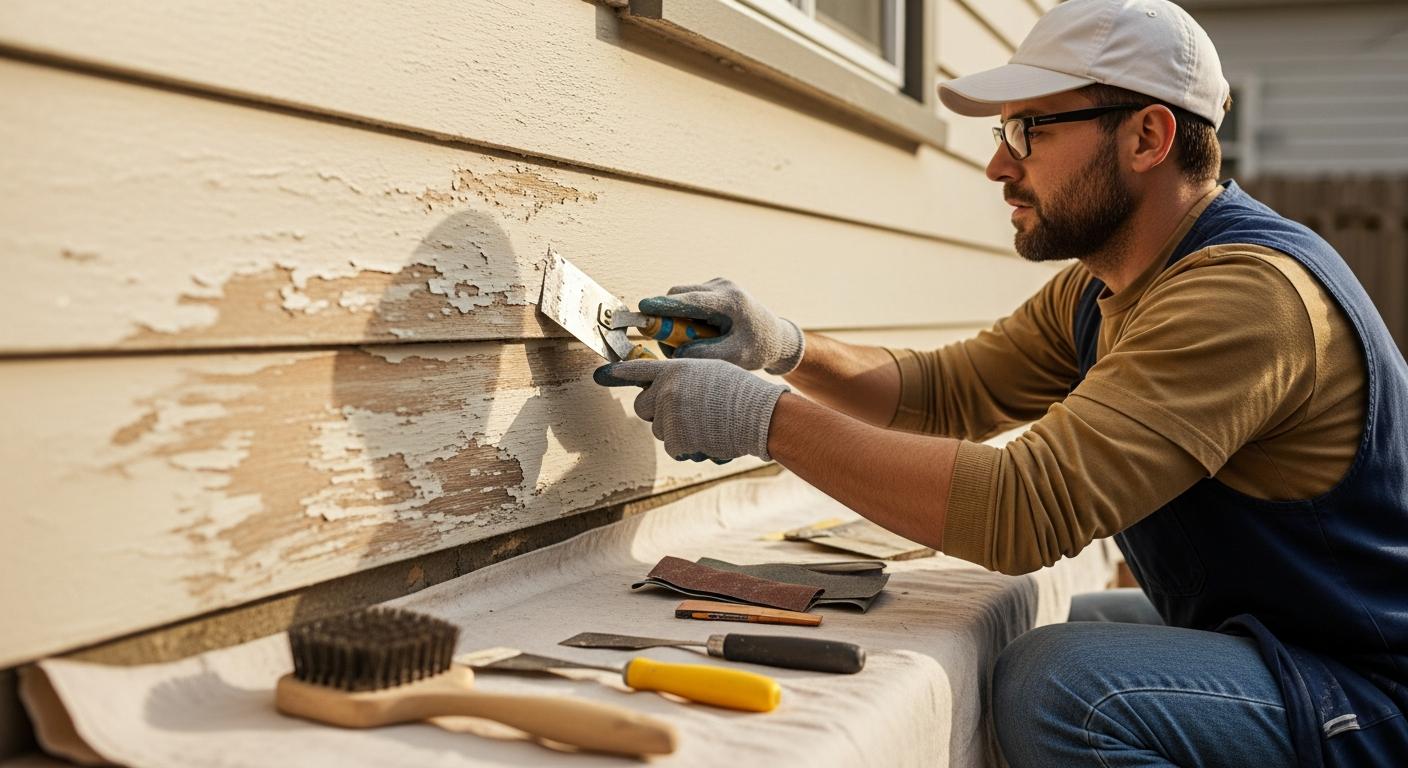
Many paint failures begin before the first new coat is applied. Fresh paint needs a clean, stable and properly prepared surface to adhere to. Problems can develop when paint is applied over:
- Loose existing paint
- Dirt or dust
- Mould
- Heavy chalking
- Grease or contaminants
- Unsanded glossy coatings
- Damp surfaces
- Deteriorated timber
Simply covering an unstable surface may improve its appearance temporarily, but the new paint can eventually come away with the failing layer underneath. Good exterior painting therefore depends heavily on preparation.
4. Missing Primer on Bare Timber
Bare timber needs to be properly primed before exterior paint is applied. Without a suitable primer, the topcoat may not bond evenly to the timber and can begin peeling or flaking earlier than expected. Bare timber can also absorb paint unevenly, leaving some areas less protected from moisture and weather exposure.
This is particularly important on weatherboards, fascias, trims and window frames, where exposed timber is regularly affected by sunlight, rain and temperature changes.
If old paint has peeled back to bare wood, the exposed timber should be cleaned, dried, prepared and primed before repainting. Applying a topcoat directly over bare timber can lead to premature coating failure.
5. The Wrong Primer or Paint System
Different exterior materials need different preparation and coating systems. A painter may be dealing with:
- Bare timber
- Previously painted weatherboards
- Brick
- Render
- Masonry
- Metal
- Previously painted aluminium
- Fibre cement
A primer that performs well on one material may not be appropriate for another, and problems can occur when incompatible products are applied over existing coatings. This is why identifying both the substrate and the existing coating is important before choosing primer and paint.
6. Painting in Unsuitable Conditions
Exterior paint needs suitable conditions to cure properly. Problems may occur when painting is carried out:
- On an excessively hot surface
- Immediately before rain
- On damp materials
- In unsuitable humidity
- When the surface temperature is outside the paint manufacturer’s recommendations
A wall can also become much hotter than the surrounding air when exposed directly to the sun. For Bendigo homeowners, this means painting conditions should be considered carefully, particularly during warmer periods.
7. Mould, Dirt or Contamination
Areas that remain shaded or damp for longer periods may develop mould, mildew or other surface contamination. Painting directly over contamination can interfere with adhesion.
Before repainting, the surface should be cleaned and the reason for recurring moisture or mould should be considered. Otherwise, the visible problem may return beneath the new coating.
Why Is Paint Peeling Only on One Side of My House?
This is a common question. If only one wall or section is peeling, compare that area with the rest of the property and ask:
- Does this wall receive stronger afternoon sun?
- Is there a gutter or downpipe nearby?
- Does water regularly run onto the wall?
- Is vegetation restricting airflow?
- Is the area shaded for most of the day?
- Is the timber more exposed?
- Was this section repaired or painted at a different time?
- Are cracks visible around windows or joins?
A localised pattern can provide valuable clues. Peeling beneath a gutter may point towards moisture exposure, while fading and chalking on a highly exposed wall may be more closely related to weathering.
Is Peeling Exterior Paint a Sign of a Bigger Problem?
Sometimes. Peeling does not automatically mean there is serious structural damage. Older exterior paint can simply reach the end of its useful life and begin to deteriorate. However, pay closer attention when peeling is accompanied by:
- Soft or damaged timber
- Water staining
- Persistent dampness
- Repeated blistering
- Cracked render
- Rust
- Mould growth
- Failed sealant around windows
- Recurring failure after previous repainting
These signs may indicate that the surface needs repair or that moisture is entering from somewhere nearby. Addressing the cause before repainting can save you from repeatedly fixing the same area.
Can You Paint Directly Over Peeling Exterior Paint?
Generally, no. Painting directly over loose paint creates a weak foundation. The fresh coating may initially hide the damage, but if the layer underneath continues losing adhesion, the new paint can peel away with it.
The more reliable solution is to remove unstable paint, address the cause and prepare the remaining surface properly before priming and repainting. If deterioration affects several areas, a professional repaint service in Bendigo can help determine whether targeted repairs or a complete exterior repaint is more practical.
How Is Peeling Exterior Paint Properly Repaired?
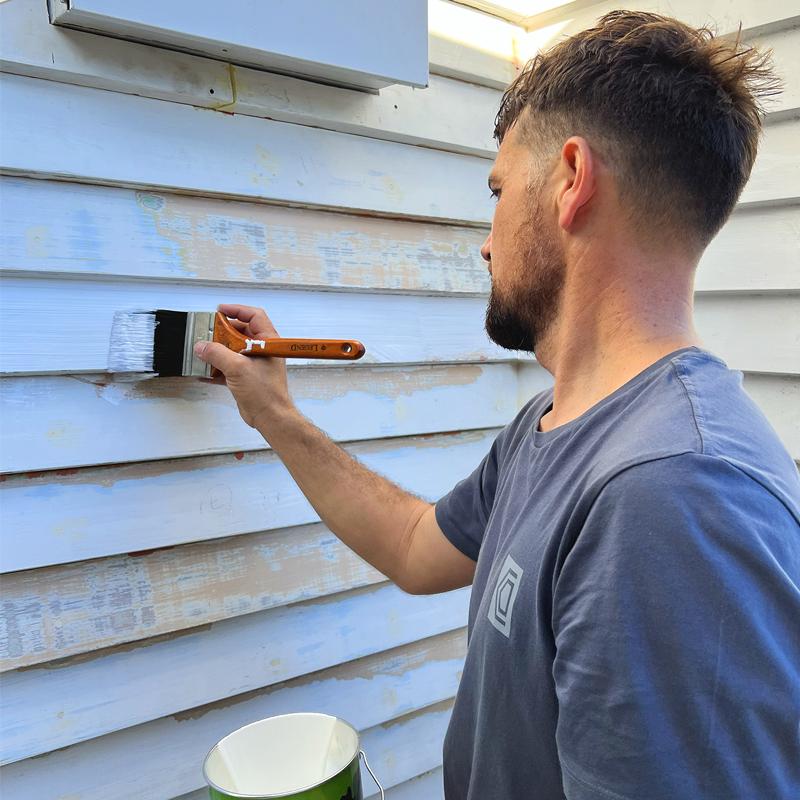
The exact process depends on the surface and cause of failure, but a typical approach looks like this:
- Identify the likely causeCheck for moisture, damaged surfaces, coating failure or contamination.
- Fix moisture or building-related issues firstRepair leaking gutters, failed sealant, damaged render or other sources of water entry.
- Remove loose paintScrape or sand away paint that is no longer firmly attached.
- Clean the surfaceRemove dirt, mould, chalking and contaminants.
- Allow the area to dry properlyPainting over damp material can lead to further problems.
- Repair damaged surfacesDeteriorated timber, cracks or damaged render may need attention before painting.
- Feather and prepare paint edgesThe transition between bare and previously painted surfaces should be properly prepared.
- Apply the appropriate primerSelect the primer according to the surface and its condition.
- Apply a compatible exterior coatingThe final coating should suit the substrate and exterior exposure.
- Allow proper drying between coatsFollow the manufacturer’s recommendations rather than rushing the process.
The preparation stages are often just as important as the final coat.
Should You Repair Peeling Paint Yourself?
Minor peeling on a small, easily accessible area may sometimes be suitable for DIY repair if you understand the cause and can prepare the surface safely. However, professional assessment may be more appropriate when:
- A large section of the house is peeling
- The problem keeps returning
- Peeling appears around gutters or rooflines
- Timber feels soft or damaged
- Render is cracked
- Several different surfaces are affected
- Elevated work is required
- The existing paint system is unclear
- Moisture appears to be involved
For broader exterior deterioration, an experienced residential painter in Bendigo can assess the condition of the home and recommend the appropriate level of work.
How Can Bendigo Homeowners Prevent Exterior Paint From Peeling?
Exterior paint cannot last forever, but regular maintenance can help prevent premature failure.
Check gutters and drainage
Keep gutters and downpipes clear and look for signs of water overflowing onto painted surfaces.
Inspect timber regularly
Look for exposed timber, cracked paint, open joints and failing sealant around windows and trims. Treating small defects early can help prevent moisture from getting further into the substrate.
Clean exterior surfaces
Dust, grime, mould and other contaminants build up over time. Periodic cleaning can also make it easier to notice early paint deterioration.
Deal with small peeling areas early
A small failing section is generally easier to assess and repair than a large area that has continued deteriorating.
Use exterior products suitable for the surface
Exterior timber, masonry, render and metal should be prepared and coated according to their specific requirements.
Prioritise preparation
Do not judge an exterior repaint only by how quickly the final colour goes onto the wall. Cleaning, scraping, sanding, repairs and priming are critical parts of achieving a durable result.
When Is It Time to Repaint the Whole Exterior?
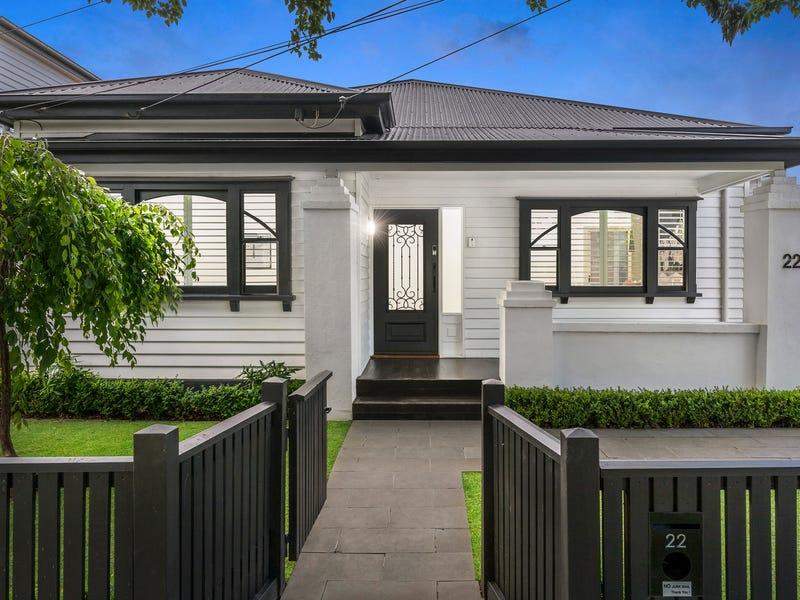
One peeling patch does not necessarily mean the entire home requires repainting. A local repair may be enough when the surrounding coating remains stable and in good condition. A broader exterior repaint may make more sense when:
- Paint is failing across several walls
- Large areas are faded or chalking
- Multiple weatherboards are deteriorating
- Previous touch-ups are becoming widespread
- Coating failure appears in many locations
- The entire exterior is approaching the end of its service life
Homeowners comparing repair and repaint options can explore Shine Coating’s wider painting services in Bendigo to understand the available solutions for different areas of the property.
Frequently Asked Questions About Peeling Exterior Paint
Why is my exterior paint peeling after only a few years?
Premature peeling can be caused by poor surface preparation, moisture, incompatible coatings, unsuitable application conditions or problems with the substrate. The cause should be investigated before repainting.
Does moisture cause exterior paint to peel?
Yes. Moisture behind a coating can interfere with adhesion and contribute to blistering, bubbling or peeling. If peeling appears repeatedly around windows, gutters or rooflines, checking for moisture entry is particularly important.
Why is my weatherboard paint peeling?
Weatherboard paint can peel because of ageing coatings, moisture, exposed timber, movement in the boards, inadequate preparation or an unsuitable paint system. The affected boards should be inspected before repainting.
Can I just scrape off the loose paint and repaint?
Scraping loose paint is an important part of preparation, but it may not be enough on its own. The surface should also be cleaned, repaired where necessary, properly primed and checked for the original cause of failure.
Why does peeling paint keep coming back in the same place?
Recurring failure usually means the underlying cause has not been fully addressed. Moisture entry, substrate movement, contamination or incompatible coatings may still be affecting the area.
Is peeling paint an emergency?
Usually not, but it should not be ignored. Peeling near damaged timber, persistent moisture, cracks or water staining deserves faster attention because the paint may no longer be adequately protecting the underlying surface.
Need Help With Peeling Exterior Paint in Bendigo?
Peeling, flaking or blistering paint is often easier to solve once the reason behind it is identified. The best approach is to inspect the surface carefully, look for signs of moisture or deterioration, remove unstable coatings and use a preparation and paint system suited to the material and level of exposure.
Shine Coating works with exterior surfaces including weatherboards, render, masonry, trims and full exterior repaints across Bendigo and surrounding areas.
If you’re unsure why your exterior paint is failing, a professional assessment can help determine whether you need a local repair, surface preparation work or a broader repaint.
Contact Shine Coating for a free, no-obligation quote and advice on the most appropriate next step for your Bendigo property.